7 Best Tube Laser Cutting Machines in 2026
Choosing a tube laser cutting machine in 2026 is about more than comparing laser power or advertised cutting speeds. The right system must match the materials, profiles, and production volumes your shop actually handles. A machine built for long runs of standard steel tubing may not suit a fabricator switching between thin-wall stainless steel, aluminum, and custom profiles. Small differences matter: chuck design, tube loading, supported dimensions, and how easily operators set up a new job.
This guide reviews seven machines through practical buying criteria, including cutting capacity, automation, software, footprint, service access, and manufacturer support. Published specifications are useful, but they do not reveal every daily inconvenience. A fast cycle time means little if loading slows production or operators struggle with programming. That matters. Buyers should confirm maximum tube dimensions, wall-thickness ranges, and material compatibility with the manufacturer before ordering. They should also ask what installation, training, maintenance, and warranty coverage include. Not always obvious. No single model is best for every workshop, and a higher price does not guarantee a better fit. The comparisons ahead are intended to help readers build a shortlist, spot trade-offs, and identify questions worth asking before investing. Real production needs should lead the decision.
How Tube Laser Cutting Machines Work
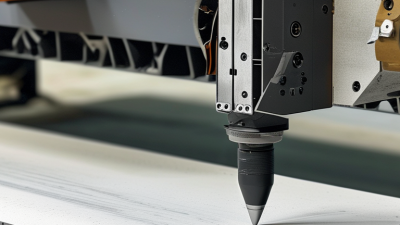
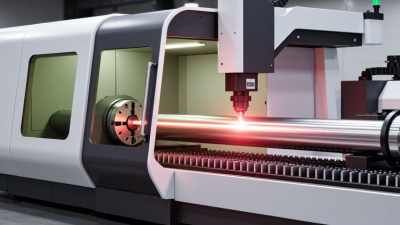
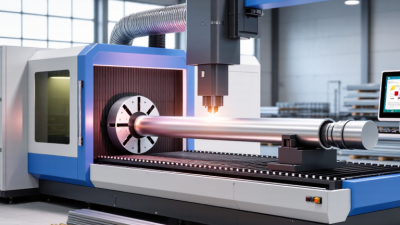
A tube laser cutting machine turns a digital drawing into cuts on round, square, or shaped metal stock. Software converts the design into cutting paths, while clamps hold the tube and a chuck rotates it beneath the cutting head. The laser focuses intense energy on a small area, melting or vaporizing the metal. Assist gas pushes molten material out of the cut. Clean edges depend on more than power.
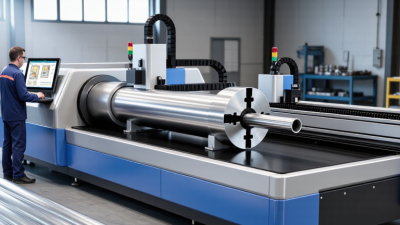
The machine coordinates several movements at once. The tube may rotate as the cutting head travels along its length, allowing the beam to create slots, holes, and angled ends. Sensors can measure the tube and help correct small differences in position or shape. A short test cut is still useful. Material thickness, surface condition, and heat can change the result, even when the drawing looks exact.
Operators adjust focus, speed, and gas pressure for each material and wall thickness. Too much heat can discolor an edge or distort thin tubing; too little may leave an incomplete cut. That balance takes experience. In practice, setup is not always perfect, and a slightly imperfect tube can expose errors that were invisible on screen. Inspecting the first finished part helps catch them before a full batch runs.
Key Factors for Comparing Tube Laser Cutting Machines
7 Best Tube Laser Cutting Machines in 2026
Key Factors for Comparing Tube Laser Cutting Machines
Compare machines by the tubes they can actually process, not just their advertised power. Check the supported diameter, wall thickness, material types, and maximum tube length. A machine that handles long steel sections may struggle with small, thin-walled parts. Ask how the chuck supports tubes during cutting; poor support can cause vibration and uneven edges. Test your own sample parts when possible.
Cutting speed matters, but it is only one part of operating cost. Consider setup time, scrap rates, consumables, and how easily operators can load and align material. Inspect the software workflow, too. Does it handle common tube shapes and nesting tasks clearly? A fast machine can still slow production if programming or changeovers are cumbersome. I would not judge cut quality from one polished demonstration alone.
Tips: Bring a drawing and sample tube to a supplier test. Check cut edges, hole position, and repeatability across several pieces. Ask about extraction, maintenance access, training, and local technical support. Small details count. Leave room for doubt: published specifications may not reflect your material, operator skill, or daily production mix.
7 Best Tube Laser Cutting Machines in 2026: Key Factors for Comparison
Suggested evaluation weights for comparing tube laser cutting machines
The percentages are a suggested buyer-evaluation framework, not measured market statistics or ratings of specific machines. Prioritize cutting capacity and automation according to your tube sizes, production volume, and workflow; verify each machine’s specifications with its manufacturer.
Seven Leading Tube Laser Cutting Machines in 2026
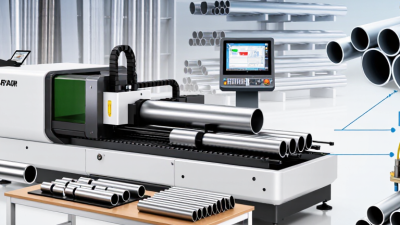
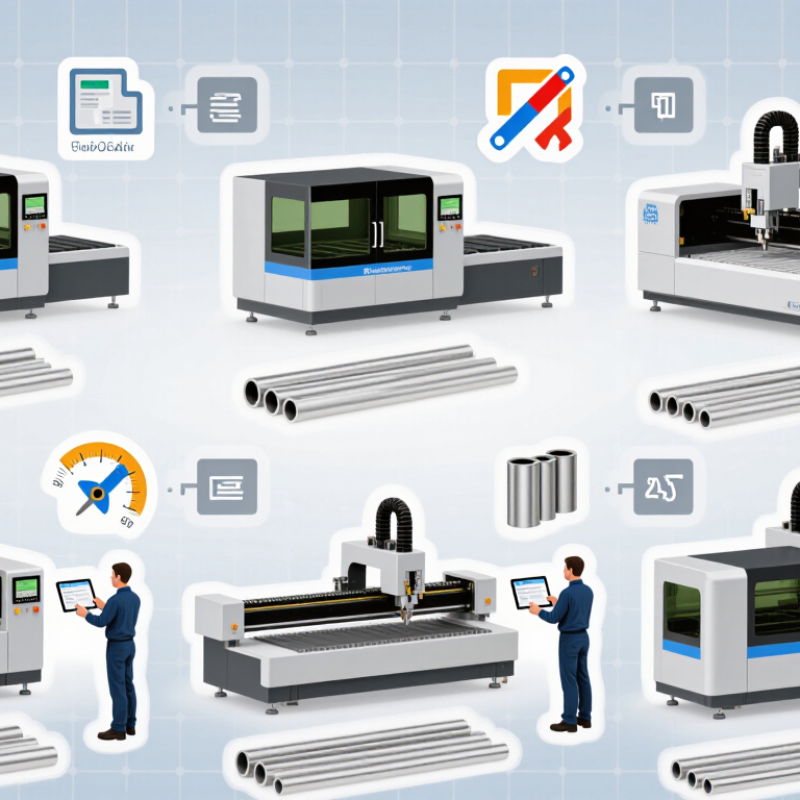
Seven leading tube laser cutting machines in 2026 are best compared by the work they handle, not by headline power alone. The key options include compact single-chuck systems, dual-chuck machines, multi-chuck lines, heavy-duty cutters, high-speed models, bevel-cutting systems, and machines with automatic loading. Each suits a different mix of tube diameter, wall thickness, and production volume. Fit matters.
Fortune Business Insights’ 2023 industry report valued the global laser cutting machine market at about US$5.16 billion and forecast continued growth through 2032. This figure covers laser cutting machines broadly, not tube systems alone, so it should not be treated as a tube-machine sales forecast. Still, it reflects wider investment in laser processing. Buyers should also check cut accuracy, material handling, software support, and the time required to change tube sizes.
For a small fabrication shop, a compact system may save floor space and simplify setup. A high-volume plant may gain more from automated loading and multi-chuck handling. Bevel capability can reduce later weld preparation, but it may add cost and setup complexity. Heavy-duty machines handle larger sections, though their full capacity may sit idle in a lighter-work shop. No ranking is perfect. Compare sample cuts using your own tube dimensions, then inspect edge quality and cycle time before choosing.
Features and Applications of Each Machine
A rotary-chuck tube laser handles round, square, and rectangular stock with steady rotation. It suits furniture frames, handrails, and structural parts. A high-power fiber tube laser cuts thicker steel efficiently, though power alone does not guarantee clean edges. Gas choice and focus still matter. A five-axis bevel-cutting head creates angled edges for weld preparation. It is useful for heavy equipment frames, but programming takes practice.
A compact tube laser fits small workshops and short production runs. Its smaller footprint can limit long-stock handling. A dual-chuck machine grips material at both ends, reducing remnant waste on repeated parts. Automated loading systems feed bundled tubes into production, helping busy factories maintain a steady workflow. A sheet-and-tube combination machine switches between flat panels and hollow sections. It saves floor space, but changeovers may interrupt work. These options solve different problems; none is ideal for every shop.
Tips: Check the tube diameter range, wall thickness, and required cut tolerance before comparing machines. Ask for a sample cut using your actual material. Inspect the edge and the leftover stub length. Small details matter. A quoted cycle time may not reflect loading, setup, or routine maintenance.
How to Choose the Right Tube Laser Cutting Machine
Choosing a tube laser starts with the parts you actually make, not the machine’s headline power. Record your smallest and largest tube diameters, maximum length, material, wall thickness, and profile shapes. Include square and rectangular sections if they appear in your production queue. That list exposes limits early.
Check chuck capacity, loading method, remnant length, and support for long stock. Ask for a sample cut using your own material, then inspect edge quality, burrs, hole position, and cycle time. A fast cutting speed means little if setup takes too long. That matters.
Grand View Research estimated the global laser cutting machine market at USD 5.54 billion in 2023, with a projected 6.2% annual growth rate from 2024 to 2030. This broad market estimate is not specific to tube systems, but it signals a competitive, evolving equipment category.
Compare total operating needs, not just purchase price. Check extraction requirements, software compatibility, operator training, service response, and consumable costs. Request a realistic demonstration with your common tube sizes and a difficult part. I would still question any quote based on one easy sample. A cramped factory layout or awkward loading routine can erase expected productivity gains. Ask for written cycle-time assumptions and confirm them against your planned shift pattern.