What Is the Best Fiber Laser Table in 2026?

Choosing the best fiber laser table in 2026 takes more than comparing wattage. The useful question is whether its work area, motion system, and controls suit your materials and daily workload. A larger bed can help with sheet handling, but it also needs floor space and a stable setup. Look closely at frame rigidity, positioning accuracy, extraction provisions, software compatibility, and service access. Small details matter. Even cable routing can affect maintenance. Product photos rarely show that.

This guide compares table designs using practical criteria and documented specifications. It considers working capacity, repeatability, construction, upkeep, and the support available from the manufacturer. For production shops, access for loading sheets and routine service can save time. For occasional use, a simpler configuration may be easier to justify. The strongest choice is not automatically the largest or most powerful model. Some published specifications are difficult to compare directly, so check how each maker defines them and ask for clarification when needed. A table that looks ideal on paper may still be awkward in your workspace. That trade-off deserves a second look. Use the comparisons ahead to identify a fiber laser table that fits your actual jobs, available space, and budget—not just a sales headline.
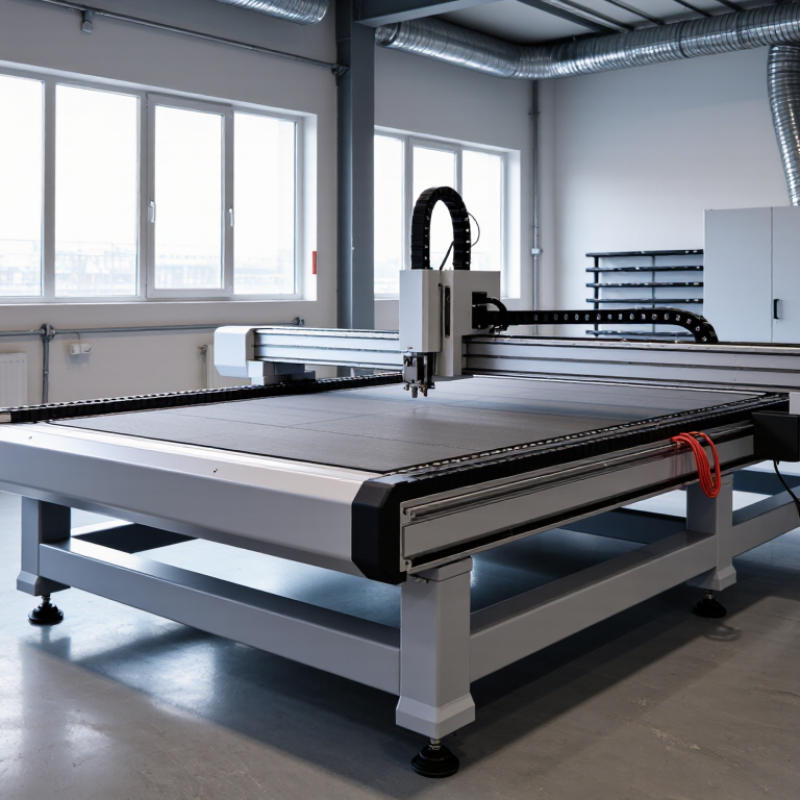
What Is the Best Fiber Laser Table in 2026?

What a Fiber Laser Table Is and What It Does

What Is the Best Fiber Laser Table in 2026?

What a Fiber Laser Table Is and What It Does

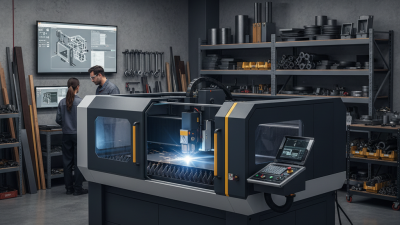
A fiber laser table is a machine platform that supports sheet material while a laser cuts or marks it. Its bed, motion system, and control software work together to position the cutting head accurately. The table may use slats or pins to support the sheet, leaving space for the beam to pass through after cutting.

A well-matched table helps produce repeatable cuts, but it does not guarantee perfect results. Material thickness, surface condition, focus, and cutting settings all matter. On a practical level, an operator might load a steel sheet, set the job in the control system, and watch the head trace the programmed path. Small changes in setup can affect edge quality. It is easy to overlook that.

The table also shapes day-to-day workflow. Bed size determines what sheets fit, while load capacity affects how safely heavy stock can be handled. Enclosures and suitable fume extraction help manage light and cutting fumes. For a shop comparing tables in 2026, the useful question is not simply which model is fastest. Consider the materials, sheet sizes, production pace, service access, and operator training the work actually requires. A clean cut still needs a thoughtful setup.

How Fiber Laser Tables Cut and Process Materials

What Is the Best Fiber Laser Table in 2026?

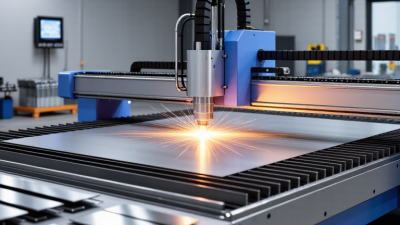
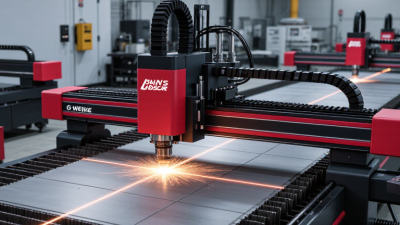
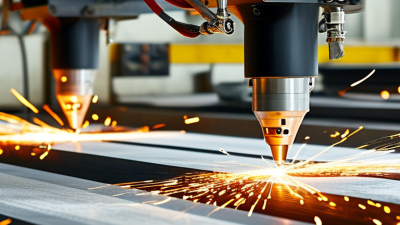
A fiber laser table combines a focused beam with a computer-controlled cutting head and a slatted work surface. The Laser Institute of America’s Handbook of Laser Materials Processing places common fiber-laser output near 1.06 micrometres. Optics concentrate that light into a small spot, heating a narrow path through the sheet. Assist gas then clears molten material from the cut. The CNC system guides the head along programmed shapes, while the table supports the sheet and catches cut pieces. That matters. A clean edge is not automatic.

Material thickness, power, focus, gas pressure, and feed rate all affect the result. Too much heat can leave burrs; poor support can let thin sheet vibrate. The operator may need test cuts and adjustments. The 2024 Fortune Business Insights Fiber Laser Market report estimated the global market at US$3.3 billion in 2023, a sign of broad industrial adoption—not a measure of any table’s cutting quality. When comparing tables, check their rated material ranges, motion accuracy, extraction setup, and how easily slats can be cleaned or replaced. A fast machine can still make rough edges if its settings or maintenance are off.

Key Features That Determine a Table’s Performance

What Is the Best Fiber Laser Table in 2026?
Key Features That Determine a Table’s Performance

A strong fiber laser table starts with a rigid frame, stable motion, and a bed that supports the workpiece without obstructing the beam. These details matter on the shop floor: a thin sheet can vibrate, while a heavy plate can expose weak supports or inaccurate positioning. The International Federation of Robotics’ World Robotics 2024 report counted 4.28 million industrial robots operating worldwide in 2023, highlighting the growing role of automated production. A table should therefore offer repeatable positioning and reliable loading interfaces, not just a high speed rating. Speed alone can mislead.

Inspect the drive system, rail protection, slat spacing, and fume extraction before comparing advertised capacity. ISO 230-2 provides methods for measuring machine-tool positioning accuracy and repeatability; ask for test results, not only a brochure specification. For cut quality, ISO 9013:2017 evaluates thermal cuts using measures such as perpendicularity and surface roughness. Request samples cut at the material thicknesses you actually run. Check whether the extraction system captures smoke near the cutting zone, and whether maintenance access is practical. Small design choices show up later. A heavier frame is not automatically better if alignment drifts or service access is awkward. Verify performance under realistic loads, because empty-bed tests can hide problems.

How Fiber Laser Table Types Compare in 2026

In 2026, the best fiber laser table depends on your material, sheet size, and production rhythm. A fixed-bed table keeps the setup straightforward and can suit shops handling similar jobs each day. An exchange-table design moves one work area out while another is cut, reducing loading pauses. That speed comes with extra floor-space and maintenance needs. Not every shop benefits from it.

Open tables provide easier access for loading large sheets, but operators need suitable fume extraction and clear access around the machine. Enclosed tables contain the cutting area and may fit smaller workshops, though their working dimensions can limit sheet size. Check the actual cutting area, load capacity, and supported material thickness—not just the table’s outside dimensions. A 1.5-by-3-meter sheet, for example, needs room to load and unload safely. It is easy to overvalue automation; a complex table may sit idle if jobs are short and varied.

Tips: Measure your largest regular sheet and available floor space before comparing designs. Ask how long pallet changes take, and confirm service access. If possible, watch a table handle your typical parts. Real workflow matters more than a specification sheet.

How to Select a Fiber Laser Table for a Specific Application

Choosing a fiber laser table starts with the workpiece, not the machine’s headline specifications. Measure the largest parts you expect to cut, then allow room for loading and occasional oversized jobs. A table that is too small creates awkward setups. One that is unnecessarily large can take up floor space and complicate material handling.

Consider what the table must support each day. Thin sheet metal may need closely spaced support slats to reduce sagging, while heavier plate calls for a suitable load rating and a rigid frame. Check how easily slats can be removed for cleaning or replacement. Small offcuts and dross collect quickly. They can interfere with support and make maintenance harder. Extraction access also matters, since fumes and heat need a clear path away from the cutting area.

Match the table’s layout to your workflow. If operators load sheets from one side, leave that side unobstructed; if parts vary in size, look for practical ways to position them without repeated adjustments. Measure twice. Review the available floor space, access routes, and nearby equipment before installation. In practice, even a well-specified table can disappoint if loading feels cramped. That detail is easy to overlook. Compare options using your actual materials, part dimensions, and handling routine, then confirm capacity and compatibility with the laser system’s technical documentation.

What Is the Best Fiber Laser Table in 2026? How to Select a Fiber Laser Table for a Specific Application

There is no single best table for every job. Use this application-based guide to compare typical work-envelope sizes, laser-power ranges, and table configurations. Power and thickness ranges are planning references; actual results depend on the laser source, cutting head, assist gas, material grade, and process settings.

Application Typical Materials and Thickness Suggested Laser Power Range Common Work Envelope Recommended Table Configuration Key Selection Checks
Light-gauge sheet-metal parts Mild steel, stainless steel, and aluminum, generally about 0.5–3 mm About 1–3 kW Approximately 1,000 × 2,000 mm to 1,500 × 3,000 mm Enclosed flatbed with a slat support bed; an exchange table can reduce loading downtime. Check extraction coverage, sheet loading access, nesting software compatibility, and whether the table supports the sheet sizes used most often.
General fabrication Mild steel, stainless steel, and aluminum, commonly about 1–12 mm About 3–6 kW Approximately 1,500 × 3,000 mm Dual-pallet exchange table with slat supports and a covered cutting area. Compare pallet change time, maximum sheet weight, positioning accuracy, fume extraction, and access for maintenance.
Thicker plate production Primarily mild steel plate, often about 10–25 mm; allowable thickness varies by process and material. About 6–12 kW Approximately 1,500 × 3,000 mm or larger Heavy-duty exchange table with a reinforced frame, robust pallet drive, and removable or replaceable slats. Verify rated pallet load, frame rigidity, foundation requirements, cutting-head capability, assist-gas supply, and the machine maker’s material-specific cutting chart.
Large-format sheet cutting Large sheets of mild steel, stainless steel, or aluminum; thickness depends on the selected power and process. About 3–12 kW, selected for the material and production target Approximately 2,000 × 4,000 mm to 2,500 × 6,000 mm Large-format bed or exchange-pallet design with a rigid frame and suitable sheet-handling equipment. Confirm available floor space, sheet transport route, crane or loader capacity, usable cutting area, and extraction performance across the full bed.
High-mix, low-volume job shop Mixed sheet materials and thicknesses, often from thin sheet to medium plate About 3–6 kW for many mixed-gauge workflows; choose by the thickest regular job Approximately 1,500 × 3,000 mm Exchange table with accessible slat cleaning and a layout that supports quick material changes. Prioritize flexible nesting, fast setup, accessible consumables, reliable job tracking, and a table size suited to the most frequent sheet format.
Tube and profile cutting Round, square, rectangular, or open-section metal profiles; capacity varies with section size and wall thickness. About 1–6 kW, depending on profile, wall thickness, and production needs Tube capacity is specified by profile dimensions and length rather than a flat-sheet work envelope. Dedicated tube-cutting system with a chuck, support system, and material infeed and outfeed; a flatbed table alone is not sufficient. Check maximum tube length, diameter or section limits, chuck range, remnant length, loading method, and support for the profiles actually produced.

Contact Us Today for a Free Quote

(800) 708-6036