Choosing the right fiber cutting machine is a production decision, not simply a search for the highest wattage. A machine may promise speed, yet perform poorly with reflective metals, thin stainless steel, or thick carbon steel. The useful questions are practical: What materials will you cut? What sheet sizes will you process? How many hours will the machine run each week?
Dr. John Powell, a respected laser-processing specialist, has put it plainly: “A laser is a tool, not a magic wand.” That reminder matters when comparing cutting power, beam quality, automation, and software. A 6 kW source can be unnecessary for a workshop cutting 1 mm stainless steel. Meanwhile, a lower-powered machine may struggle with demanding production schedules. Real results depend on the cutting head, motion accuracy, gas control, nesting software, and operator training.
Look closely at the details. Ask for sample cuts using your own material and thickness. Inspect the edge under bright light. Check for dross, taper, burn marks, and rough corners. Request cycle-time data instead of relying on promotional claims. Service response also deserves attention. A machine standing idle for three days can cost more than a higher purchase price.
The best choice is rarely perfect. Every buyer faces compromises between speed, budget, flexibility, and maintenance. I have seen specifications look impressive until daily setup time exposed the weakness. This guide presents ten practical tips for selecting a fiber cutting machine with clearer judgment, stronger evidence, and fewer expensive surprises.
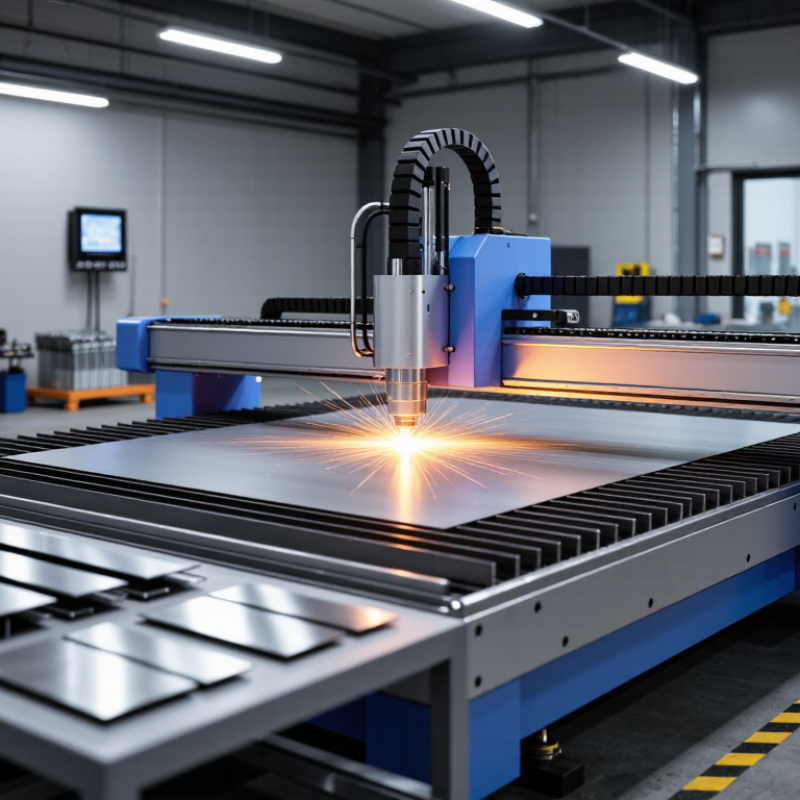
Choosing the best fiber cutting machine starts with a clear definition of your cutting requirements. Identify the material, thickness, sheet size, and expected production volume. Mild steel, stainless steel, aluminum, brass, and copper behave differently during cutting. Reflective metals may require suitable optical protection and carefully controlled settings. Do not estimate thickness from occasional jobs alone. Review your regular workload.
Include the thinnest and thickest materials you process each month. Record cutting speed, edge quality, burr formation, and gas consumption from previous jobs. A machine that cuts one thick plate successfully may not deliver efficient daily production. Cutting tolerance matters too. Measure finished parts with reliable tools, especially when assemblies require close alignment.
Send representative materials to a qualified cutting specialist and request sample parts. Inspect corners, small holes, narrow slots, and heat-affected edges. Ask how the machine performs with oxygen, nitrogen, or compressed air. Gas choice can change color, oxidation, speed, and operating cost. I have seen specifications look excellent on paper, yet sample results revealed unwanted burrs. That mistake is avoidable.
Higher laser power is not always better. It can increase investment and energy use without improving thin-sheet production. Leave a practical margin for future materials, but avoid paying for capacity you will rarely use. Your requirements may change. Recheck them honestly.
10 Tips for Choosing the Best Fiber Cutting Machine
Compare Laser Power, Cutting Speed, and Precision
Laser power sets the ceiling, not the daily result. A 3 kW source may cut thin steel quickly, but 6 kW usually handles thicker plate with fewer slowdowns. Tip one: match power to your real material mix. Tip two: check rated thickness, not promotional maximums. Grand View Research’s 2024 fiber laser report forecasts an 11.1% compound annual growth rate through 2030, reflecting wider industrial adoption and more demanding production targets.
Cutting speed must be measured beside edge quality. Tip three: request test cuts using your own steel or aluminum. Tip four: compare piercing time, not only straight-line speed. Tip five: examine the heat-affected zone under magnification. A fast cut with heavy dross is not efficient. It creates rework. According to the 2024 MarketsandMarkets analysis, automation and process monitoring remain major growth drivers in industrial laser cutting. That supports choosing systems with stable sensors and repeatable settings.
Precision needs numbers. Tip six: ask for positioning accuracy and repeatability under ISO 230-2 testing. Tip seven: inspect kerf width at different speeds. Tip eight: verify small-hole roundness. Tip nine: compare nozzle alignment and autofocus response. Tip ten: calculate energy, gas, maintenance, and scrap costs together. I once overvalued maximum wattage and underestimated setup time. The machine looked powerful. Production still moved slowly. Leave room for doubt; supplier samples rarely show every difficult condition.
Tip 1: Inspect the machine structure before comparing laser power. A rigid welded bed reduces vibration during rapid acceleration. Check its weight, stress-relief process, gantry stiffness, and rail alignment. Ask for measured accuracy, repeatability, and long-term testing data. ISO 230-2 provides a useful framework for checking positioning accuracy. Do not rely on attractive brochures alone.
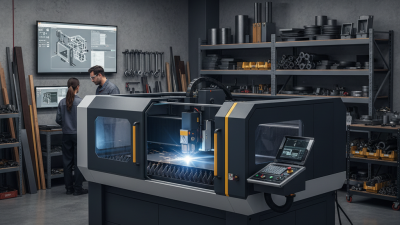
Tip 2: Evaluate the control system at the operator’s station. The interface should display cutting speed, gas pressure, alarms, and nozzle status clearly. Look for automatic height sensing and collision protection. These functions reduce scrap and protect the cutting head. Still, automation is not magic. Poorly calibrated sensors can create expensive defects. Test the system with thin sheet, thick plate, and small internal holes.
Tip 3: Study automation around the machine, not only inside it. Automatic loading, unloading, nesting, and production tracking can reduce idle time. The International Federation of Robotics reported 541,302 industrial robot installations worldwide in 2023. That figure shows how quickly factories are adopting automated workflows. However, a robot may add complexity without improving output. Measure changeover time, labor requirements, maintenance access, and actual utilization. Data from the machine tool industry often exposes this gap: capacity on paper can exceed real production. Leave room for manual recovery, because operators still solve problems software misses.
| Tip | Selection Criterion | What to Check | Practical Reference Range | Why It Matters | Priority |
|---|---|---|---|---|---|
| 1 | Machine Frame Rigidity | Inspect the welded or fabricated bed, stress-relief treatment, guideway support, and resistance to vibration during acceleration and deceleration. | A heavy-duty bed with documented stress relief and measured geometric accuracy is preferable for continuous production. | A stable structure helps maintain cutting accuracy, reduces vibration marks, and limits dimensional changes over time. | High |
| 2 | Working Area | Match the table size to the largest sheet, nesting layout, loading method, and available factory space. | Common sheet formats include approximately 1,500 × 3,000 mm and 2,000 × 4,000 mm; select extra capacity only when needed. | The correct work envelope improves material utilization without creating unnecessary equipment and floor-space costs. | High |
| 3 | Laser Power | Evaluate the materials, thicknesses, edge-quality requirements, duty cycle, and expected production volume. | Approximately 1–3 kW suits many thin-sheet applications; 6 kW or higher is commonly considered for thicker steel and higher throughput. | Power affects cutting speed and thickness capability, but excessive power can increase operating and maintenance costs. | High |
| 4 | Motion System | Review linear guides, rack-and-pinion or screw drives, servo motors, positioning accuracy, repeatability, and maximum acceleration. | Look for published accuracy and repeatability figures, with performance verified through acceptance testing rather than relying only on marketing claims. | Reliable motion control supports consistent hole sizes, contours, corner quality, and part-to-part repeatability. | High |
| 5 | CNC Control System | Check program compatibility, nesting integration, graphical simulation, parameter libraries, remote diagnostics, and operator access levels. | The control should support common CAD/CAM file formats, stored cutting recipes, collision prevention, and clear real-time alarms. | An intuitive control reduces setup errors, shortens training time, and makes process data easier to manage. | High |
| 6 | Cutting Head and Focus Control | Assess capacitive height sensing, autofocus response, protective window access, nozzle alignment, and piercing control. | Automatic focus and height control are especially valuable when processing mixed materials or frequently changing thicknesses. | Accurate stand-off and focus settings improve edge quality while lowering the risk of head crashes and consumable waste. | High |
| 7 | Gas and Assist-Gas Management | Review oxygen, nitrogen, and compressed-air compatibility, pressure regulation, flow monitoring, and automatic gas switching. | The system should provide stable pressure and flow appropriate to the material, thickness, nozzle, and selected cutting parameters. | Consistent assist gas supports clean edges, reliable piercing, reduced oxidation, and predictable cutting costs. | Medium |
| 8 | Automation and Material Handling | Consider shuttle tables, automatic loading and unloading, storage interfaces, part sorting, remnant tracking, and unmanned operation features. | Automation should be selected according to batch size, shift pattern, sheet weight, labor availability, and required machine utilization. | Appropriate automation reduces non-cutting time and manual handling while improving workflow safety and productivity. | High |
| 9 | Safety and Environmental Design | Verify enclosure design, interlocks, emergency stops, fume extraction, laser safety controls, spark management, and operator visibility. | The installation should comply with applicable local machinery, electrical, laser-safety, and workplace ventilation requirements. | Effective safeguards protect operators, control airborne contaminants, and support stable operation in a production environment. | High |
| 10 | Maintenance and Total Cost of Ownership | Compare service access, consumable replacement intervals, calibration procedures, spare-parts availability, energy use, training, and warranty coverage. | Request a realistic cost estimate covering electricity, assist gas, lenses or windows, nozzles, filters, preventive maintenance, and downtime. | A lower purchase price does not always mean lower operating cost; maintainability directly affects long-term uptime and profitability. | High |
Choosing the best fiber cutting machine requires more than comparing cutting speed and power. Maintenance needs often decide whether production stays stable after months of use. Ask how frequently the lens, protective window, filters, and cooling system need inspection. Request a clear maintenance schedule before purchasing.
In daily operation, I check for dust around the optical path and unusual vibration near the cutting head. Small warning signs can become expensive faults. The machine should provide access to routine service points without complicated disassembly. Automatic lubrication, temperature monitoring, and alarm records can reduce human error. Still, automation is not a substitute for trained operators. I learned that relying only on dashboard alerts can delay simple inspections.
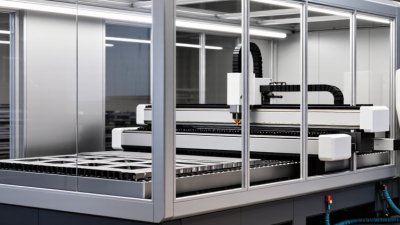
Safety features deserve equal attention. Look for enclosed work areas, door interlocks, emergency stops, beam shielding, and overload protection. The control system should prevent operation when a safety condition is incomplete. Operators also need clear training materials and practical procedures for lens replacement and fault isolation. Good safety design feels almost boring. That is usually positive.
Technical support should be tested before purchase, not after a breakdown. Ask about response times, remote diagnostics, spare-part availability, and service coverage in your region. A reliable supplier can explain problems in plain language and provide documented repair steps. Request sample manuals and training details. If support promises sound vague, treat that as useful evidence. The cheapest machine may become costly when one unanswered fault stops a full shift.
Recommended inspection and evaluation frequency for key selection considerations. Actual schedules may vary by machine design, workload, material, and supplier guidance.
Daily checks should focus on safety and cutting-critical components. Weekly and monthly checks help control wear, contamination, cooling performance, and service risks. Technical support, training, spare parts availability, and total operating cost should be assessed before purchase.
The purchase price rarely reflects the real cost of ownership. Include electricity, assist gas, lenses, nozzles, software, training, maintenance, scrap, and downtime. A cheap machine can become expensive when a failed cutting head stops production for two days. The calculation is often imperfect. Recheck it using your actual sheet mix, thickness range, working hours, and local energy prices. Deloitte’s 2024 Smart Manufacturing and Operations Survey found that 86% of manufacturers view smart manufacturing as important for future competitiveness. That makes control integration and data access practical cost considerations, not decorative features.
Manufacturer reputation deserves evidence, not impressive brochures. Request service-response records, spare-part availability, installation references, and sample cuts from similar materials. Review warranty exclusions carefully. Ask who supports the machine after commissioning. A supplier with strong field technicians may reduce risk more effectively than one offering the lowest quotation. Industry research from the International Federation of Robotics reported more than 4.2 million industrial robots operating worldwide in 2023. This growth signals a wider move toward connected production, but compatibility still varies between systems.
Plan for tomorrow’s workload. Check whether the machine supports automated loading, nesting software, remote diagnostics, and factory data interfaces. Leave room for additional shifts or a second cutting table. Confirm upgrade paths for power, software, and material handling. One overlooked issue is floor space around the machine. Scalability needs physical space too. Test the supplier’s claims with a witnessed production trial, and record cycle time, edge quality, kerf consistency, and operator workload.