Why Choose a CNC Fiber Laser for Metal Cutting?

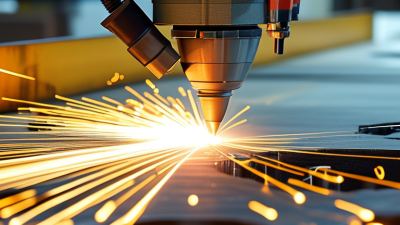
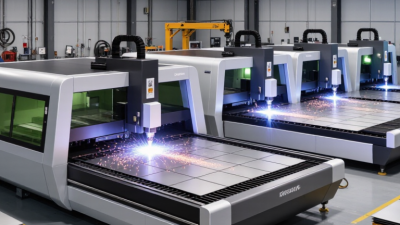
Metal fabrication depends on more than cutting speed. Shops must control edge quality, material waste, machine uptime, and energy use. A CNC fiber laser can address several of these demands by focusing a high-energy beam through fiber-optic delivery onto sheet metal. On the shop floor, that can mean clean contours, narrow kerfs, and fewer tool changes across stainless steel, aluminum, or mild steel jobs.

The efficiency question matters at scale. The International Energy Agency’s Energy Efficiency 2023 report estimates that industry accounts for about 37% of global final energy use. That figure does not prove one cutting technology is best, but it makes power consumption worth measuring. Fiber lasers are often described as energy-efficient, yet actual results depend on laser power, assist gas, material thickness, nesting, and operating hours. Details matter.

There is a trade-off. A fast machine can still produce costly scrap if settings are wrong or maintenance slips. Buyers should compare cut samples, operating costs, service support, and realistic production data—not just headline wattage. A slower, well-matched setup may perform better for a particular shop. The right choice deserves testing.
Why Choose a CNC Fiber Laser for Metal Cutting?

What Is a CNC Fiber Laser and How Does It Cut Metal?

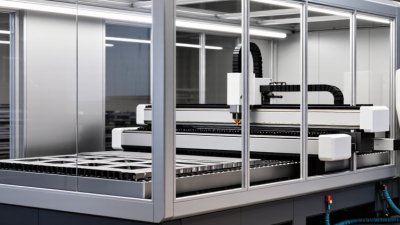
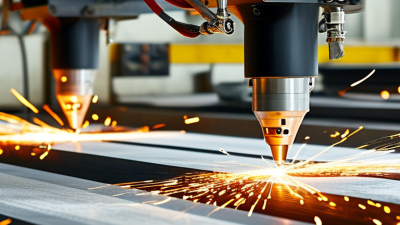
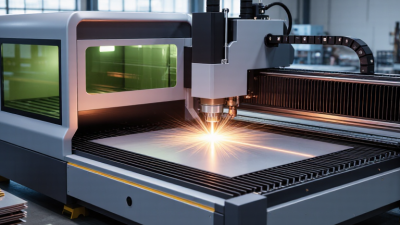
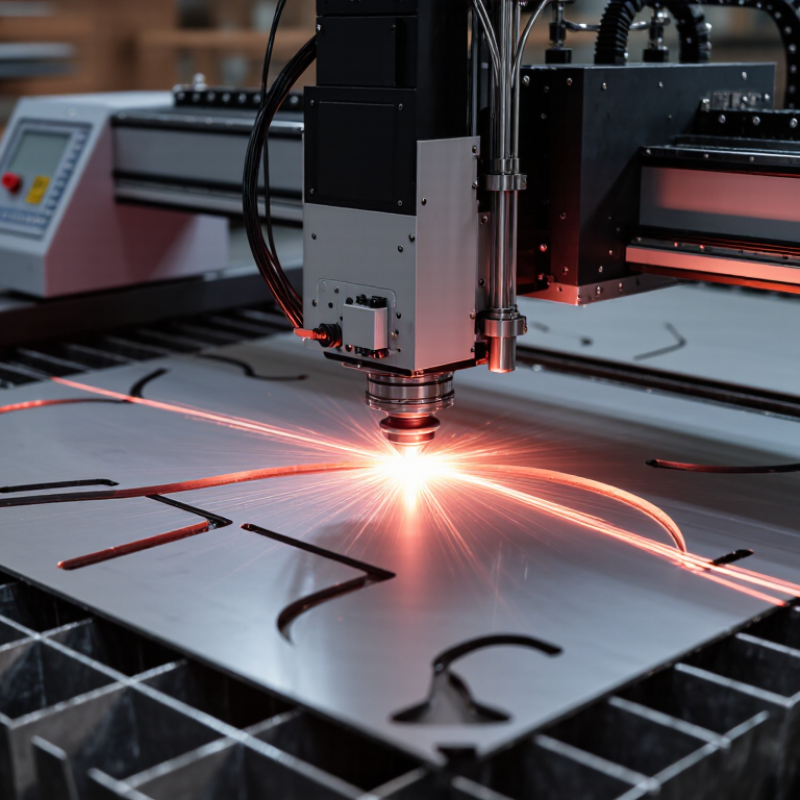
A CNC fiber laser uses a focused beam of light to cut conductive metals such as steel, stainless steel, and aluminum. “CNC” means a computer controls the cutting head’s movement, following a programmed path across the sheet. Inside the laser source, fiber optics carry and amplify the light. A lens then concentrates it into a very small, intense spot. The metal heats and melts at that point. Assist gas, often compressed air, nitrogen, or oxygen, pushes molten material through the cut.

The result is a narrow kerf and, with suitable settings, a clean edge. Small details are possible. Yet the machine does not make every cut perfect. Material thickness, surface condition, focus, speed, and gas pressure all affect the finish. A slight focus error can leave rough edges or unwanted dross underneath. Operators usually test settings on scrap before a production run, then inspect the first parts under good light. That step may feel slow, but it can prevent a stack of inaccurate components. Fiber lasers are efficient for many metal-cutting jobs, though setup and maintenance still require informed attention.

How CNC Fiber Laser Technology Works Step by Step

Why Choose a CNC Fiber Laser for Metal Cutting?

How CNC Fiber Laser Technology Works Step by Step

A CNC fiber laser begins with a digital drawing of the required metal part. The control system converts this drawing into cutting paths, speeds, and pierce points. Nesting software places several parts on one sheet to reduce wasted material. Accuracy starts here, before the laser turns on.

The machine positions the sheet with powered axes and checks its surface height. A focused fiber laser then heats a tiny area until the metal melts. Assist gas pushes molten material through the narrow kerf. The cutting head follows the programmed path with steady motion. Small holes need slower piercing and careful power control.

In practical workshops, operators inspect the first cut before running a full batch. They check edge roughness, dross, dimensions, and heat discoloration. Not every first cut is perfect. Material grade, thickness, nozzle condition, and gas pressure can change the result. Experienced technicians adjust focus and speed gradually, rather than guessing. Sensors may detect height changes, but they cannot replace sensible maintenance. A dirty lens or poorly aligned nozzle can create defects quickly. Reliable results come from calibration records, clean optics, safe enclosures, and measured inspections. The process is fast, though rushed setup can quietly reduce quality.

Why Choose a CNC Fiber Laser for Metal Cutting?

A CNC fiber laser guides a focused laser beam along programmed toolpaths. The beam melts or vaporizes the material, while assist gas removes molten metal from the kerf. At 3 mm thickness, representative industrial cutting speeds are commonly higher for mild steel and stainless steel than for aluminum, although actual results depend on laser power, gas pressure, nozzle design, material grade, and machine settings.

The process typically follows these steps: CAD design and nesting, CNC coordinate generation, beam generation in the fiber source, focusing through the cutting head, assist-gas delivery, motion control, and edge inspection.

Which Metals and Thicknesses Can It Process?

A CNC fiber laser can cut carbon steel, stainless steel, aluminum, brass, and copper. Titanium is also processable on suitable systems. The practical thickness range depends on laser power, machine setup, assist gas, and the edge quality required. Thin sheet is often the easiest place to achieve clean, repeatable results. On many shop-floor systems, that means roughly 0.5 to 6 mm for everyday work, though higher-powered machines may handle thicker plate.

Material matters. Carbon steel often cuts well with oxygen or nitrogen, while stainless steel and aluminum commonly use nitrogen for a cleaner edge. Copper and brass reflect more laser energy, so the machine must be designed and configured for these metals. Not every setup is suitable. Check the manufacturer’s rated cutting chart, then test the actual grade and thickness; surface condition can change the result.

A clean edge takes more than power. Focus position, nozzle condition, and gas pressure all affect burrs and heat marks. Even a small setup error shows. For a first job, try a short cut on offcut material and inspect the underside. The chart is a starting point, not a promise.

What Benefits Does It Offer for Metal Fabrication?

A CNC fiber laser gives metal fabricators a precise, repeatable way to cut sheet and plate. Its concentrated beam creates narrow kerfs and clean edges, often reducing grinding before parts move to bending or welding. CNC control follows programmed paths, helping maintain consistent dimensions across a production run. For shops handling varied designs, quick program changes can also reduce setup time. The exact result depends on material, thickness, focus, and cutting parameters.

That precision can mean less scrap and fewer adjustments at the workbench. A small bracket may come off the table ready for assembly; a larger panel may need a little edge cleanup. Not every cut is perfect. Reflective surfaces, worn consumables, or incorrect settings can leave roughness or burrs, so inspection still matters. Fiber laser systems can also cut many common metals efficiently, though machine capacity and operating costs should guide the decision.

Tips: Keep the protective optics clean, check assist-gas settings, and run a test cut when material thickness changes. Compare the finished edge with the drawing, not just the machine display. It catches small errors early. Good results come from careful setup, and sometimes the first parameter choice needs another look.

How to Choose the Right CNC Fiber Laser Cutting System

Why Choose a CNC Fiber Laser for Metal Cutting?

Choosing the right CNC fiber laser cutting system requires more than comparing laser power. Consider your regular materials, thicknesses, sheet sizes, and production volume. A 3 kW system may handle thin stainless steel efficiently, while thicker carbon steel may require higher power. Check the cutting head’s focus range and the machine’s positioning accuracy. Small errors can create visible gaps during assembly.

Your workshop conditions matter too. Measure the available floor space, loading access, and electrical capacity. Select a bed size that fits your common sheets without wasting space. Ask about assist-gas control, fume extraction, nesting software, and automatic height sensing. These features affect cut quality and operating costs. Reliable technical support is equally important. A delayed replacement sensor can stop production for days.

Tips: Test sample parts before purchasing. Use your actual metal grades and thicknesses. Compare edge smoothness, piercing time, heat marks, and finished dimensions. Review maintenance schedules and training options. A clear warranty is useful, but it cannot replace responsive service. I have found that impressive specifications sometimes hide inconvenient software or difficult calibration. Leave room for that possibility. The best system is not always the most powerful one; it is the one your operators can use consistently and maintain confidently.

Why Choose a CNC Fiber Laser for Metal Cutting? — How to Choose the Right CNC Fiber Laser Cutting System

Compare typical system choices by material, workload, and cutting requirements. Thickness figures are indicative productive ranges, not guaranteed machine limits.

Selection factor 1.5 kW system 3 kW system 6 kW system
Best suited to Light fabrication, prototypes, and frequent cutting of thin sheet. General-purpose job shops and mixed-gauge production. Higher-volume production and regular cutting of thicker plate.
Typical productive range: mild steel About 1–8 mm About 1–16 mm About 1–25 mm
Typical productive range: stainless steel About 1–5 mm About 1–10 mm About 1–20 mm
Typical productive range: aluminum About 1–4 mm About 1–8 mm About 1–16 mm
Common assist-gas choices Oxygen for mild steel; nitrogen or suitable compressed air for many thin-sheet applications. Nitrogen for clean edges on stainless steel and aluminum; oxygen is commonly used for mild steel. Gas choice depends on material, thickness, edge requirements, and operating cost; nitrogen and oxygen are common.
Typical work area option 1,500 × 3,000 mm beds are common; smaller formats may suit limited floor space. 1,500 × 3,000 mm is common; larger beds are available for larger sheet formats. Often paired with a 1,500 × 3,000 mm or larger bed, subject to the machine configuration.
Main advantages Lower power demand than higher-output systems and a practical fit for thin-gauge work. Versatile capacity for a broad mix of sheet-metal jobs. Greater capacity for thicker material and potential productivity gains when the process and workload support them.
Key considerations May be less productive on thicker sections; confirm required thickness and edge quality with cutting trials. Balance cutting capacity with actual job mix, assist-gas supply, and expected production hours. Requires suitable electrical supply, gas infrastructure, extraction, and a workload that justifies the higher system capacity.
A good choice when Most jobs are thin sheet and occasional thicker cuts do not drive production. You need one system for varied materials and regular mixed-gauge work. Thicker plate or higher throughput is a routine requirement rather than an occasional exception.

Important: Actual cutting capability and speed vary with material grade, surface condition, nozzle, focus, assist-gas pressure and purity, machine setup, and the required edge quality. Confirm the intended materials and thicknesses with the system supplier and request sample cuts before selecting a configuration.

Contact Us Today for a Free Quote

(800) 708-6036