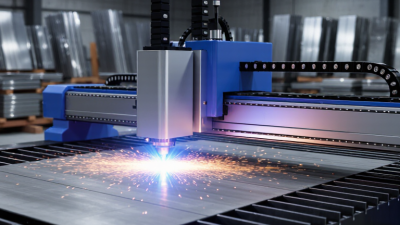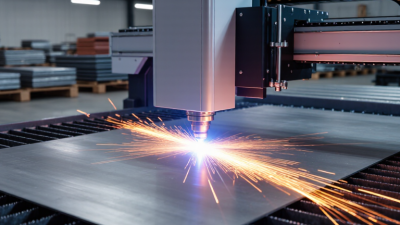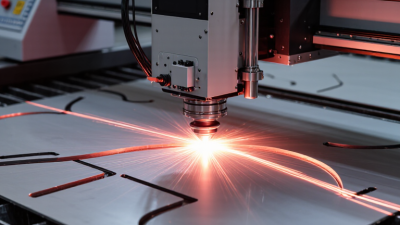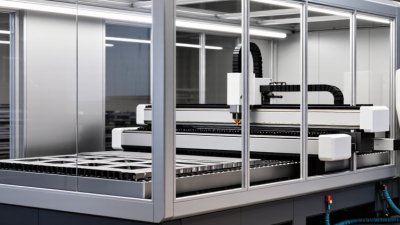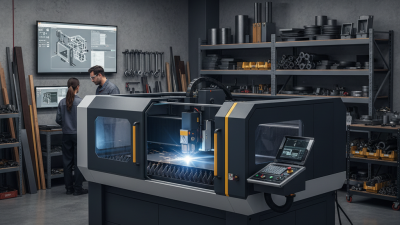
Choosing a fiber laser machine is not just a matter of buying the highest wattage. The right choice depends on your materials, daily workload, available floor space, and operators’ experience. A machine that cuts thin stainless steel well may not suit frequent work on thick plate. Small details matter: the assist-gas setup, cutting bed, extraction system, and service access can affect the working day as much as the laser source.
Fiber-laser pioneer Dr. Valentin Gapontsev’s work inspires a useful buying principle: “Choose capability that fits the job, not a power rating alone.” This is an editorial summary, not a verified verbatim quotation. Use it as a prompt to ask better questions. Can the supplier demonstrate your actual material and thickness? Are sample-cut results repeatable? What maintenance is required, and how quickly can support respond? Ask for clear answers.
This guide covers ten practical checks, from power and cutting capacity to software, safety features, installation, training, and warranty terms. Compare the complete system, not one impressive specification. A showroom sample can look flawless. Your own parts may behave differently. Take drawings, confirm the expected production mix, and request a realistic demonstration before deciding. A little doubt is useful. It can reveal costs or limits that a polished brochure leaves out.
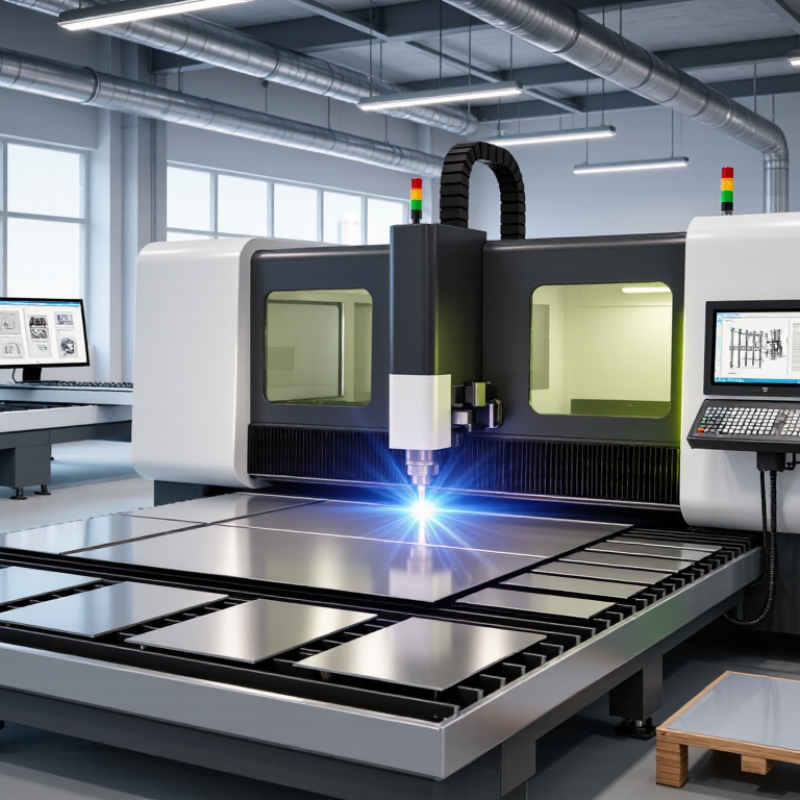
Before comparing machines, write down the materials you actually process and the jobs you need done. “Metal” is too broad: mild steel, stainless steel, aluminum, and brass can behave differently under the same settings. Fiber laser systems also vary. Some are built for marking, while others are configured for cutting. Check the machine’s stated material range and thickness limits rather than assuming one model can handle every task.
Consider the finish you need, too. A dark mark on a small tool may require different settings from a clean cut through a thick plate. Reflective surfaces, protective films, and coatings can affect results. Small details count. Prepare representative samples, including the thinnest and thickest pieces you expect to run. Ask for test results, then inspect edge quality, lettering, and heat-affected areas yourself.
Make a short list of typical jobs, not just your most demanding one. Record part dimensions, material grade, batch size, and how often each job repeats. Maximum cutting thickness is useful, but it may not reflect your everyday production speed. That distinction is easy to miss. If your plans may change, avoid paying for capacity you cannot use yet; still, leave room for likely new materials. A practical sample test may reveal that your original assumptions need revising.
When comparing fiber laser machines, check the wavelength alongside the power rating. Industrial fiber lasers commonly operate near 1.06–1.08 micrometers, while CO₂ lasers operate near 10.6 micrometers. These figures are consistent with the laser-source data discussed in Dubey and Yadava’s 2008 review in the International Journal of Machine Tools and Manufacture. Wavelength affects how materials absorb energy, so a higher power rating does not guarantee better results on every metal. Small detail. It matters.
Processing speed depends on more than kilowatts. Material type, sheet thickness, assist gas, focus, and cutting geometry all affect the achievable rate. Dubey and Yadava’s review identifies these as key laser-machining variables. Compare machines using the same material and thickness, then ask for cut samples with measured edge quality. A vendor’s maximum speed may describe a thin, straight cut, not a production part with corners and frequent stops. I would be cautious about treating one speed figure as a purchasing promise. It is useful, but incomplete.
For a practical trial, record cycle time, burr height, kerf consistency, and power consumption. Test the thicknesses you actually process, including one near your machine’s capacity. Higher power can improve throughput, but only if the optics, motion system, and extraction keep pace. A modest omission: trials rarely reproduce every shift condition. Leave room for that uncertainty when comparing quotes.
Choose a work area around the largest sheet you actually process, not the occasional oversized job. A 1,500 × 3,000 mm sheet needs room for loading, clamps, and safe operator access, not just a matching bed. Check the usable cutting envelope in the specification; rails, fixtures, or a rotary attachment can reduce it. Small detail. Measure your doorway and floor space too, including room to open service panels. A machine that fits on paper may be awkward to load in a crowded shop.
Match the configuration to your material mix and weekly workload. Cutting thin sheet all day differs from handling thicker plate or varied part shapes. Ask for sample cuts using your own material, then inspect edge quality, heat effects, and cycle time. A higher-power source is not automatically the better choice if your work rarely needs it. Grand View Research’s Laser Cutting Machines Market report forecasts market growth through 2030, but market demand cannot determine your ideal bed size or power. Use that figure as context, not a buying rule. I would recheck the proposed layout with the operator who loads sheets; that step is easy to skip, and I have seen plans overlook it. Allow for extraction connections, material storage, and future handling needs before signing off.
Tip 1: Inspect the machine’s frame, enclosure, and moving parts before comparing prices. Look for straight panel gaps, secure cable routing, and smooth motion along the cutting bed. Ask for a live demonstration using material similar to yours. Watch for vibration, inconsistent cuts, or excessive residue around the work area. A clean showroom is useful, but it does not prove long-term durability. Check what maintenance the manufacturer recommends and whether key components are easy to reach. Small details matter.
Tip 2: Treat safety features as essential equipment, not optional extras. Confirm that the enclosure, viewing window, interlocks, and emergency stop are designed for the machine’s laser configuration. Ask how fumes are extracted and what protective equipment operators need. Request written operating and maintenance guidance. A safety feature is only useful if staff understand it and test it regularly. This part can feel tedious. Still, guessing is a poor substitute for clear documentation.
Tip 3: Evaluate service support before placing an order. Ask who handles troubleshooting, how support requests are submitted, and what response times are typical. Check whether replacement parts and training are available in your region. Request a sample maintenance schedule and clarify warranty coverage in writing. If an answer is vague, ask again. Sales conversations can make service sound effortless; real support may be less polished, so verify the details.
Evaluate build quality, safety features, and service support
Each bar counts suggested checks, not machine ratings or survey results. Inspect frame rigidity, motion components, optics, assembly, and test documentation; verify enclosure interlocks, emergency stops, fume extraction, training, and protective equipment; and confirm warranty coverage, spare-parts availability, technician access, response times, and remote support.
A low purchase price can hide expensive ownership. Build a five-year model covering installation, electricity, assist gas, lenses, nozzles, filters, maintenance, training, and downtime. NIST Handbook 135’s life-cycle costing framework includes acquisition, operating, maintenance, replacement, and residual costs. Use that broader view, not the quotation alone. Small gaps compound.
For a practical electricity estimate, separate laser output from the machine’s average wall draw. If measured draw averages 30 kW over 2,000 operating hours, consumption is 60,000 kWh. At roughly 8 cents per kWh, the EIA’s 2023 U.S. industrial electricity-price average, that is about $4,800 annually, before gas and cooling. Your local tariff may differ.
Ask for proof.
Request a live test on your own material and thickness, recording cut time, edge quality, power draw, and scrap. Put acceptance criteria in writing. Check service response times, spare-part availability, and warranty exclusions with current customers. Supplier brochures rarely show the cost of a missed shift. I have seen buyers compare headline speeds, then discover those speeds apply only to thin sheet and ideal settings. That is easy to overlook. Recalculate using your actual mix, not the fastest demonstration.